

A diagnosis is not the whole coverage answer

Pet insurance for an FIV-positive cat

Separate whether a cat can enroll from whether a policy will pay for known FIV and later care.

Owner with an orange tabby cat beside a laptop at home
✓ Policy-first ✓ Independent ✓ Useful checks
Direct answer
An FIV-positive cat may still be eligible for some pet-insurance protection, but enrollment does not mean a new policy will cover already-known FIV or care the insurer links to it. Ask about eligibility, the precise pre-existing-condition exclusion and unrelated future problems separately. This guide has not verified an insurer that will cover your cat’s existing FIV; the actual offer and clinical history are essential.
What to know

Why FIV matters to an insurance review

Feline immunodeficiency virus affects the immune system. Cornell explains that infected cats can have increased susceptibility to other infections and can appear well for a long time. A healthy appearance in a photo or at home does not establish that a known infection has disappeared.

For insurance, the important questions include what was known before the policy, how the contract defines a pre-existing condition and how it treats care associated with that condition. The insurer’s financial definition and the veterinarian’s clinical assessment serve different purposes.

This is not a prognosis for your cat. Discuss testing, monitoring and treatment with a veterinarian. The insurance comparison should support an appropriate care plan rather than deciding which care the cat receives.

Quotes

Ask three separate questions before applying

Can this cat enroll?

Ask about age, residence and health-history eligibility for the specific product. A general dog-and-cat offering does not settle the answer.

What happens to known FIV?

Ask for the exclusion wording and any case-specific written explanation. Do not assume that waiting longer converts a known condition into a new one.

What about later unrelated care?

Ask how other accidents or illnesses are assessed, and what evidence the insurer would use to decide whether an expense is related.

What if my cat is already insured?

Review the existing policy and continuity before replacing it. A condition first covered under an earlier policy may be pre-existing to a new one.
What to know

Keep the testing record intelligible

Assemble the original test report, date, veterinary interpretation, any follow-up testing and the adoption or earlier clinic records you can obtain. A screening result, a confirmed diagnosis and a note saying follow-up is needed should not be silently treated as identical. Ask the veterinarian to explain what the record establishes.

Cornell notes that FIV test interpretation can require additional consideration, including a kitten’s maternal antibodies or other testing circumstances. Do not declare a result false or an infection absent on your own. An insurer may need the full chronology rather than a single word copied from a summary.

If you adopted the cat with incomplete history, state what is known and what is unavailable. A blank record does not prove that no condition existed, but neither should you invent a prior diagnosis. Ask what documentation the insurer requires and how missing records affect assessment.

What to know

A later bill raises a relationship question

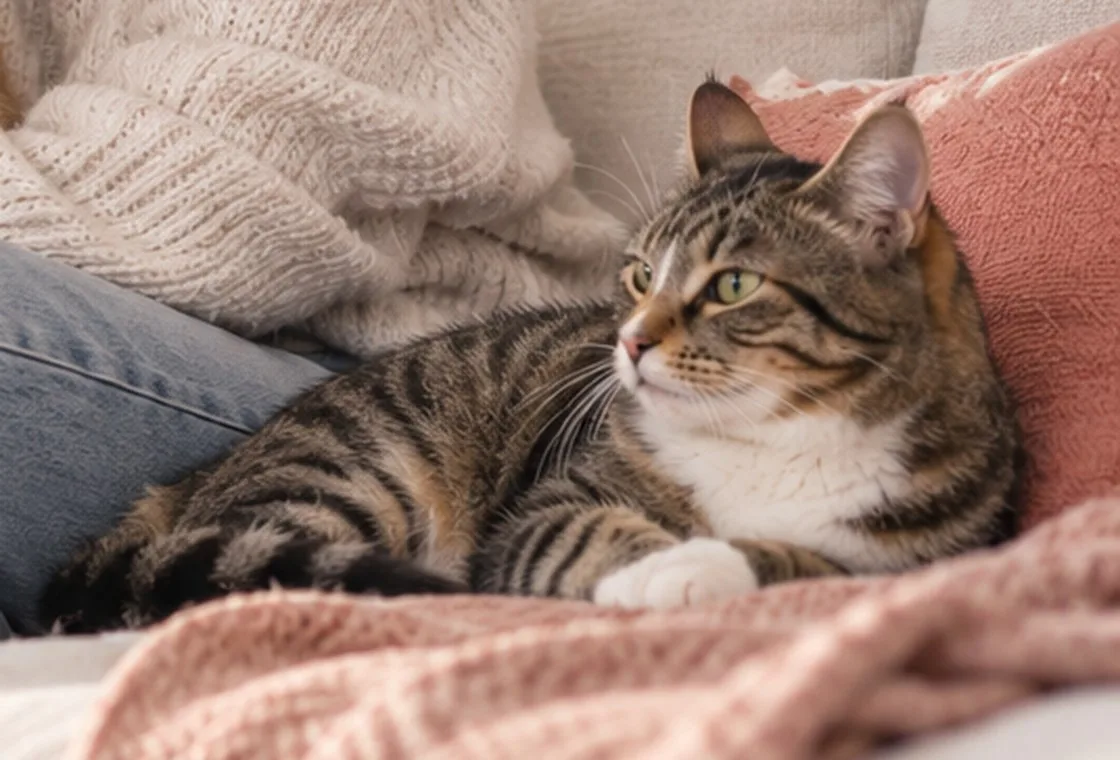
Tabby cat resting on a blanket beside its owner
A known FIV diagnosis and the reason for a later visit need separate attention.

Suppose an already FIV-positive cat later needs care for a different presenting problem. Do not assume either that every future bill is excluded or that a different diagnosis name makes the bill unrelated. Ask the insurer to identify how the actual condition and related-condition wording would be applied.

For a submitted claim, request the clinical facts and policy provision behind any connection to FIV. The veterinary team can explain the reason for care and its view of the relationship; the insurer makes its coverage determination under the contract. If the explanation is unclear, preserve both records and follow the policy’s review process.

This example intentionally does not label a particular later disease as covered. That would require the actual history, policy and claim facts. The useful action is to make the insurer’s reasoning explicit enough to check.

Claims

Plan known care separately from uncertain reimbursement

Ask your veterinarian what monitoring or care is appropriate and obtain estimates when practical. Put known expenses that the proposed policy excludes into a separate care budget. Do not subtract a hoped-for insurance payment until you have a sound basis for expecting it.

A routine-care package, if offered, may have benefits for specific scheduled services. It does not automatically finance FIV treatment or undo a pre-existing-condition exclusion. Evaluate each listed service on its own terms rather than treating “wellness” as a route around a medical limitation.

Insurance may still have value for genuinely eligible future risks, but an owner needs to understand how much useful protection remains. A low premium alone cannot answer that. An inability to find useful new coverage is also not a reason to stop veterinary care.

What to know

What a useful answer from the insurer looks like

  • The answer identifies the actual product, state and policy version.
  • Enrollment eligibility is distinguished from the treatment of FIV.
  • The company identifies any exclusion for the known condition and explains how related care is evaluated.
  • Any statement about unrelated risks is qualified by the remaining terms and claim assessment.
  • You know which records are still needed and where to take a dispute.

If the response is only “we insure cats,” the central question remains open. Do not convert that statement into a coverage assurance for a cat with a known infection.

Evidence

Sources and policy context

These public references support the consumer or veterinary context. Named insurer details were checked in official product materials; the policy offered for your pet and state determines the actual terms.

Next step

Compare Current Pet Insurance Rates

Check current options for your pet and location, then compare the policy details, exclusions, costs, and eligibility before choosing.

Compare the policy before you choose Check the actual offer, exclusions and out-of-pocket terms.
See Rate Options